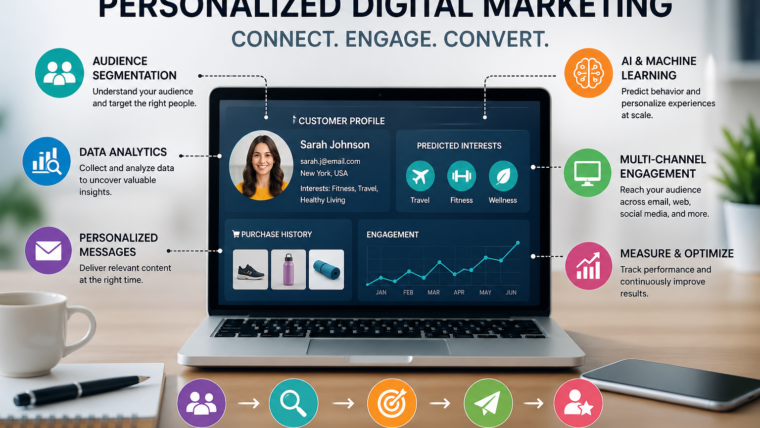





Traditional promotional content is swiftly losing its power. Consumers are bombarded with ads, pop-ups and product pitches—and most of it gets ignored.
The brands that are winning aren’t just selling; they’re teaching. They use customer data to understand their audience better and solve real problems.
This guide shows how brands can move from self-promotional messaging to educational pillar content to build authority, trust and long-term results.
Table of Contents
- 1 What are the key differences between promotional content and educational pillars?
- 2 How can CRM data be used to identify specific customer knowledge gaps?
- 3 Why is educational content more effective for long-term SEO than promotional landing pages?
- 4 How do you map the customer journey to specific educational topics?
- 5 What metrics should be used to track the success of this content transition?
- 6 Wrapping up
What are the key differences between promotional content and educational pillars?
Promotional content is straightforward. It highlights features, discounts or reasons to buy. Its goal is immediate conversion.
Educational pillar content, on the other hand, focuses on teaching the audience, answering questions and solving problems before pushing a sale. It positions the brand as a guide, not just a seller.
While promotional content might get a quick click and be effective for driving traffic, educational content builds lasting relationships. It creates a resource hub where customers return for insights, advice and solutions. This approach is about trust and credibility, not just transactions.
How can CRM data be used to identify specific customer knowledge gaps?
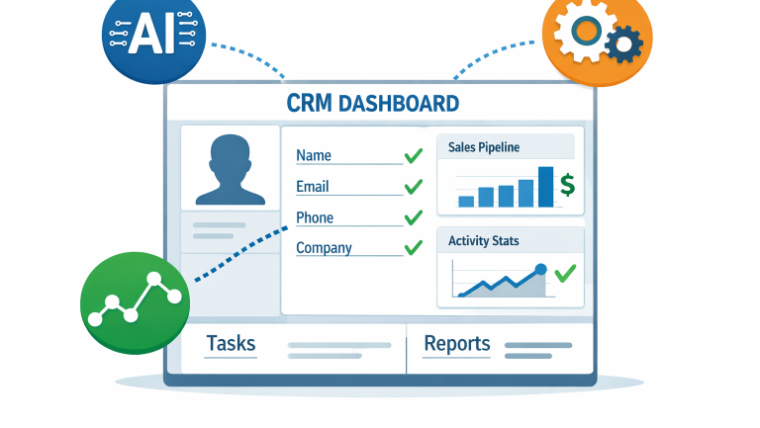
Brands often overlook the power of their own customer data. Your CRM holds insights into what customers ask, where they drop off and which features confuse them. Analyzing these patterns can help spot knowledge gaps, such as questions customers keep asking, steps they struggle with or features they misunderstand.
This is especially true when viewed through content development and supported by insights from content marketing experts at FORTHGEAR. For example, if a SaaS company notices repeated support tickets about onboarding, that’s a clear signal to create step-by-step tutorials or onboarding guides.
First-party data gives you a clear picture of what your audience doesn’t know. These gaps then become the foundation of educational content. You’re not guessing; you’re creating content tailored to real problems your customers face.
Why is educational content more effective for long-term SEO than promotional landing pages?
Promotional landing pages are often short-lived. They rank for a few targeted keywords but rarely maintain authority over time.
Educational pillar content targets broader topics, answers related questions and links to deeper resources. This keeps users on your site longer and signals depth to search engines. Over time, this builds topical authority. Your site becomes a go-to resource for a subject, not just a product page.
With customer data analytics, you can continually refine these pillars, ensuring they remain aligned with evolving search intent and audience needs. Instead of chasing rankings, you build them over time.
How do you map the customer journey to specific educational topics?
Every customer moves through stages: awareness, consideration and decision. Each stage has a different audience intent.
At the awareness stage, users may not know your product exists, but are searching for solutions. Here, your content should focus on problem education rather than features.
In the consideration stage, they compare options, so guides, tutorials and case studies become valuable. Finally, in the decision stage, content can gently integrate product information within the educational framework.
Mapping these stages to topics requires analyzing first-party data. Look at what content leads users closer to conversion and where they drop off. According to the content marketing experts at FORTHGEAR, this ensures your content marketing strategy aligns with how customers actually make decisions.
What metrics should be used to track the success of this content transition?
Success isn’t just traffic. It’s whether your content changes what your audience understands and what they do next. You need metrics that reflect engagement and influence.
Track time on page, scroll depth and repeat visits to gauge whether your content is resonating. Look at conversions from educational content to lead forms, demo requests or newsletter sign-ups. Use customer data to see if the knowledge gaps identified in your CRM are shrinking.
Over time, monitor organic search performance. Pages that consistently answer questions and satisfy intent should climb in rankings. The goal is authority, not just clicks. Long-term SEO and trust are the real measures of success.
Wrapping up
The shift from promotional content to educational pillar content is more than a tactic; it’s a strategy. It allows brands to create content that speaks directly to audience needs by using real customer insights. When this content is mapped to the customer journey, every piece serves a clear purpose.
This approach doesn’t just sell a product. It builds trust, authority and sustainable growth. In a crowded digital space, the brands that teach are the ones people remember.