





Digital identity verification has become a central component of how modern transactions are conducted across both online and offline environments. From banking and e-commerce to accessing digital services, verifying a person’s identity helps establish trust, reduce fraud risks, and ensure that interactions remain secure. As more services move into digital spaces, traditional methods of identification are being replaced or supplemented by automated systems that rely on biometrics, documents, and real-time data checks. These developments are changing how individuals engage with services, making processes faster while also introducing new considerations around privacy and data protection.
As reliance on digital systems grows, identity verification is increasingly embedded in everyday activities such as account creation, financial transactions, and service access across many platforms. Organizations use these systems to confirm legitimacy, reduce fraud risk, and extend their use into workplace processes, including automated identity checks for hiring. While these systems improve efficiency and security, they also prompt ongoing discussions about data handling, consent, and the balance between convenience and personal privacy in an increasingly digital environment for users worldwide today.
Table of Contents
Evolution of Digital Identity Verification
Identity verification has traditionally involved face-to-face checks with paper-based identifiers, such as passports or driver’s licenses. As businesses and governments embraced digital transformation, verifying identity without in-person meetings became a necessity. This shift has spurred the adoption of electronic documents, biometric data like fingerprints or facial scans, and immediate database cross-checking. Artificial intelligence algorithms are now embedded in verification processes, detecting inconsistencies and potential instances of fraud in milliseconds. These technological advancements are helping move transactions online with confidence, reducing human error, and adding essential layers of security.
The evolution continues with the integration of behavioral biometrics, which analyzes patterns in typing, swiping, or mouse movement to confirm identity. Such methods add another barrier for fraudsters and contribute to more reliable digital identity frameworks. These tools are now an integral part of verifying identity for online banking, government services, and travel processes.
Impact on Daily Transactions
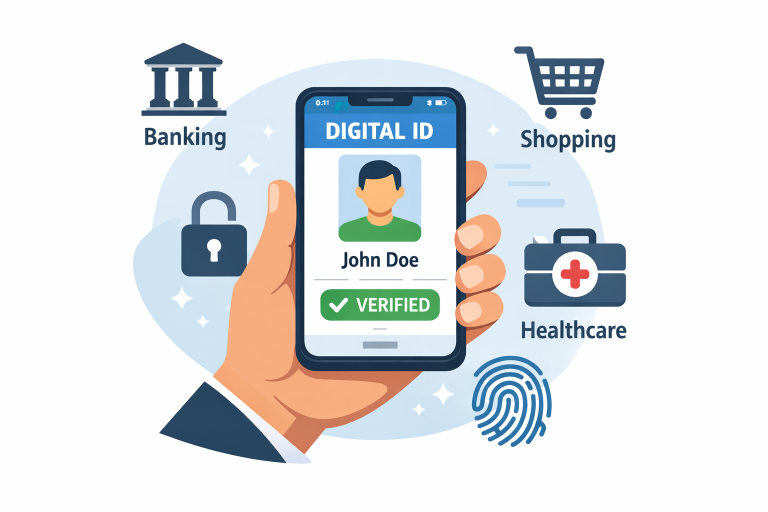
Digital identity verification is influencing a wide range of everyday transactions. Here’s how different sectors benefit from its adoption:
- Banking and Finance: Instant digital KYC (Know Your Customer) checks are expediting account openings, loan approvals, and wire transfers, providing both security and convenience for users.
- E-commerce: Online retailers now use sophisticated verification solutions to combat fraud and ensure only authorized individuals can complete transactions or access sensitive information.
- Healthcare: Hospitals and medical providers are implementing digital ID systems to optimize patient information management, reduce errors, and streamline remote consultations.
For consumers, these enhancements translate to faster service, fewer manual steps, and increased trust in digital interactions. Businesses, on the other hand, can mitigate losses resulting from fraudulent activity while also complying with evolving data privacy regulations.
Public sector agencies are also leveraging digital identity checks to secure online access to critical social services and voting systems, highlighting the technology’s growing role in civic life.
Challenges in Implementation
Despite its benefits, the widespread adoption of digital identity verification introduces formidable challenges:
- Privacy Concerns: As governments and organizations collect more sensitive data, users are increasingly concerned about data storage security, third-party sharing, and the long-term use of their digital footprints. Regulatory frameworks such as GDPR and CCPA demand greater transparency and user control over personal data, which requires ongoing compliance efforts from service providers.
- Security Risks: Cybercriminals are increasingly deploying advanced tactics, such as AI-generated deepfakes and synthetic identity fraud, to bypass digital identity checks. According to industry data, AI-powered forgeries accounted for over half of all identity fraud cases in 2024, an increase of more than 240 percent from the previous year.
- Accessibility Issues: Not everyone has access to the latest devices or high-speed internet needed for advanced biometrics and remote verification. Digital identity systems must be inclusive, ensuring elderly individuals, rural communities, and people with disabilities can use services without barriers.
Innovative Solutions and Future Trends
To address these varied challenges, organizations are exploring and implementing forward-thinking solutions:
- Decentralized Identity Models: These models empower users to control and share personal information directly, using blockchain or other distributed ledger technologies to enhance privacy and reduce reliance on centralized repositories.
- Multi-modal Biometric Verification: Relying on a combination of facial, voice, retinal, and behavioral data, these systems make unauthorized access significantly more difficult.
- AI-powered Risk Assessment: Machine learning continually enhances fraud detection and anomaly identification, boosting real-time response capabilities and minimizing false positives.
Governments and organizations are also investing heavily in digital literacy and accessibility programs to ensure that everyone can benefit from secure digital verification, regardless of their technical skill level or location. The convergence of regulations, technology, and public-private partnerships will drive the future of digital identity authentication.
Conclusion
Digital identity verification is now a vital component of digital transformation across industries and public services. With the deployment of AI, biometrics, and decentralized identity models, verification processes are evolving to provide stronger, faster, and more user-friendly solutions. As society shifts toward a digital-first economy, the need for privacy-conscious, secure, and inclusive identity verification will remain central to building digital trust and enabling seamless daily transactions. Implementing robust verification systems not only enhances security but also fosters greater confidence among users and organizations alike.


