



Table of Contents
Understanding Personal Loans
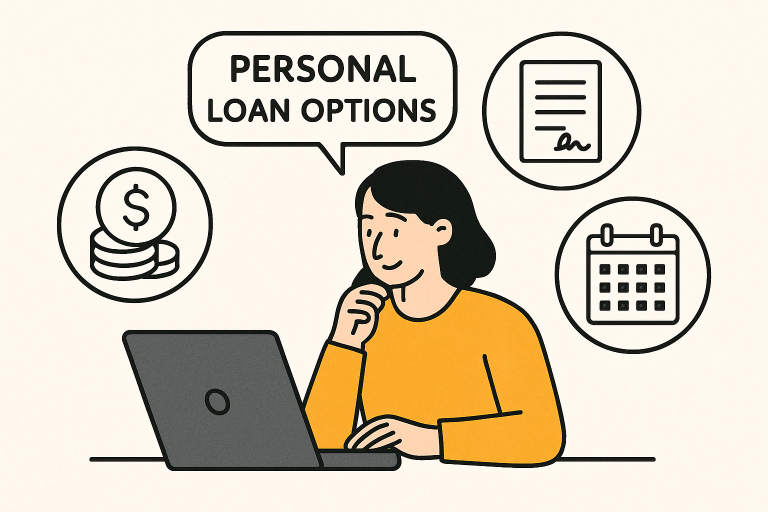
Personal loans have become a prominent fixture in modern financial planning. Unlike secured loans that require assets as collateral, personal loans are unsecured, which means you do not need to pledge your home, car, or savings to borrow funds. Individuals turn to these versatile loans for a range of reasons, from consolidating high-interest debt to handling emergency expenses or making major purchases. As the lending space evolves, platforms such as Symple Lending are helping borrowers find hassle-free options tailored to their financial objectives.
Borrowers are increasingly using personal loans to streamline multiple debts into a single payment, often with a lower interest rate. This consolidation strategy can simplify monthly payments and potentially save money, especially when dealing with credit card debt. Besides debt consolidation, personal loans are often used for medical bills, home improvements, and even special events like weddings.
Since these are installment loans, borrowers pay a fixed amount each month over a predetermined term, providing predictability and making budgeting easier. Lenders evaluate applicants based on various criteria, not just credit score, making these loans accessible to a wider segment of the population. While the lack of collateral increases lenders’ risk, it also provides easier access for those who may not own significant assets.
The application process is mainly digital nowadays. Consumers can compare loan offers, submit documents, and get approval notifications online, often receiving funds in as little as one business day. The convenience of online applications, paired with competitive interest rates, continues to drive growth in the personal lending market.
Thought leaders in modern lending, such as Houston Fraley CEO of Symple Lending, have emphasized the importance of responsible borrowing and demystifying debt-free living for the average consumer.
Current Trends in Personal Lending
In recent years, personal lending has surged, driven by changing consumer preferences and inflationary pressures. Personal loan debt in the United States reached $225 billion in the first quarter of 2023, up 26% from the previous year. The combination of economic uncertainty and the growing popularity of digital lenders has fueled demand, as consumers seek quicker, more convenient borrowing solutions.
Borrowers are becoming more discerning, carefully comparing interest rates, fees, and repayment terms across multiple platforms. Personalized loan offers based on individual financial profiles are becoming the norm. This competitive marketplace benefits borrowers by offering more choices and fine-tuned lending options, ultimately providing a better fit for their unique circumstances.
Impact of Interest Rate Changes
Interest rates significantly influence personal loan affordability. When the Federal Reserve adjusts its benchmark rate, it directly impacts lending rates across financial institutions. For example, a recent decrease from 4.3 percent to about 4.1 percent could make borrowing less expensive for new applicants. Borrowers can often secure lower monthly payments and overall interest costs when rates are favorable, encouraging more individuals to consider personal loans for big-ticket items or debt consolidation.
However, fluctuating rates also mean borrowers should time their loan applications carefully to lock in optimal terms. By monitoring economic news and lending trends from reputable sources, consumers can plan their financial decisions to coincide with rate environments that favor their goals.
Technological Advancements in Lending
Technology is reshaping the loan industry, making it easier for consumers to access credit. Digital-first lenders use sophisticated algorithms and automation to offer a seamless loan application process. Borrowers benefit from swift pre-approvals, minimal paperwork, and the ability to compare multiple loan offers with just a few clicks. These online platforms also employ advanced customer service tools, such as AI-driven chatbots, to guide users through application steps and answer questions in real time.
Fintech innovators are also leveraging big data and machine learning to analyze borrower behavior, enabling highly personalized loan terms. Some lenders now offer apps that help users track spending, manage repayments, and receive proactive financial advice, further improving the overall borrowing experience. This shift towards digital solutions means loans are more accessible and adaptable to today’s consumer demands.
Alternative Credit Assessment Methods
Traditional credit scores are no longer the sole factor in determining personal loan eligibility. Many lenders now consider alternative data, such as income stability, cash flow, and even utility bill payment histories. This expanded approach opens the door for borrowers with thin or nontraditional credit profiles to access funds and demonstrates a growing commitment to financial inclusion.
For those with limited credit history or recent graduates with low FICO scores, alternative assessment methods offer an opportunity to build credit while accessing needed liquidity. As these inclusive practices spread, more consumers can participate in the lending ecosystem, helping them achieve short-term goals and establish a stronger financial footing for the future.
Peer-to-Peer Lending Platforms
Peer-to-peer (P2P) lending platforms offer a compelling alternative to traditional banking by directly connecting borrowers with individual investors. This model often results in more competitive interest rates and flexible terms, as borrowers and lenders can agree on conditions without the layers of bureaucracy and delays commonly associated with conventional financial institutions.
These platforms also appeal to personal lenders looking to diversify their portfolios or achieve potentially higher returns than those offered by traditional savings options. Enhanced transparency, user-friendly interfaces, and the ability to support real individuals rather than faceless institutions have all contributed to the rapid growth of P2P lending, making it an increasingly attractive option for both borrowers and investors.
Buy Now, Pay Later Services
Buy Now, Pay Later (BNPL) services have revolutionized the way consumers finance purchases. These platforms enable shoppers to split purchases into manageable payments over several weeks or months, often without hard credit inquiries. While the convenience and flexibility of BNPL products are undeniable, understanding the payment schedules, fees, and potential consequences for missed payments is vital.
Major retailers and e-commerce sites increasingly partner with BNPL providers, making it easy for consumers to integrate installment payments into their everyday shopping. However, experts urge caution: overreliance on BNPL can lead to overspending and debt management challenges if users lose track of multiple payment plans.
Conclusion
Personal loans are a modern financial tool that meets a wide spectrum of consumer needs, from urgent expenses to strategic debt consolidation. With digital advancements, alternative assessment methods, and emerging lending models, consumers enjoy more choice and greater access than ever before. Still, borrowers should approach personal loans thoughtfully by understanding their financial position, comparing terms, and using innovative solutions as stepping stones to long-term security.